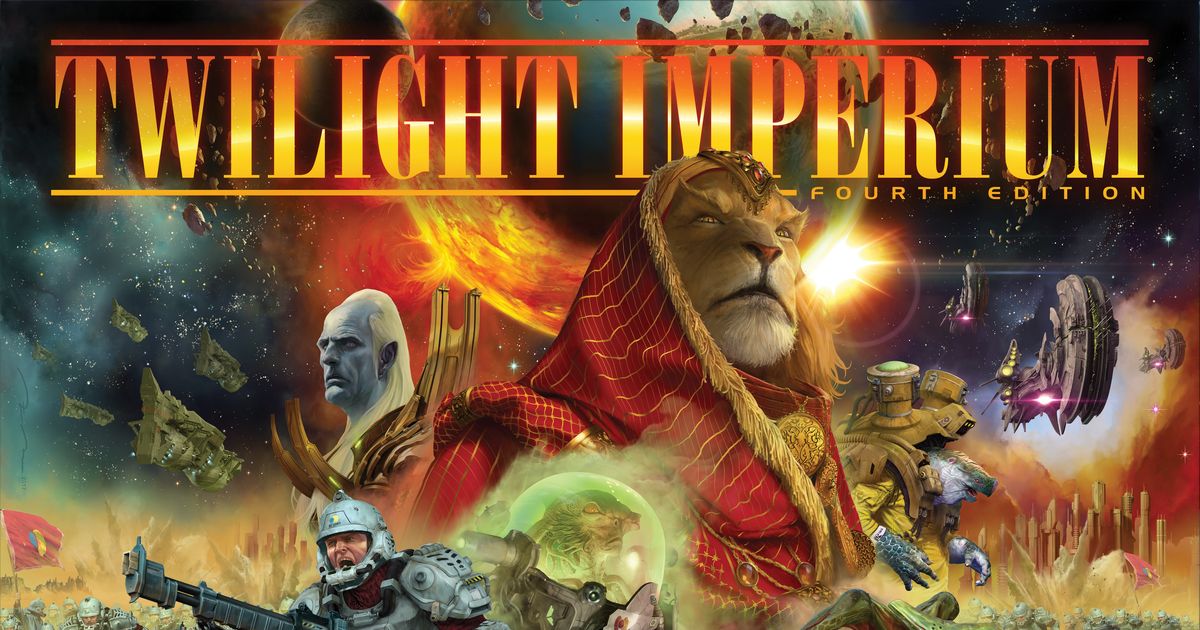
There’s no getting around the honest logistics of this one first, six players took us close to six hours our last full game, and I’d only want to schedule that every several months rather than as a regular fixture, because it genuinely does ask for a whole day and a group willing to put phones away and stay invested the entire time. That commitment is exactly why it works as well as it does when it works. Nothing else on my shelf builds the same scale of actual galactic history over the course of one sitting, alliances forming and breaking, a race for objectives that shifts who the table’s real threat is every couple hours.
What surprised me most is that you can win without ever firing a shot, the victory point objectives reward diplomacy, economic development, and political maneuvering just as readily as military conquest, and I’ve seen games swing entirely on a well timed political card rather than a fleet battle. That flexibility is what keeps the long runtime from feeling like padding, because there’s rarely a stretch where nothing meaningful is happening even if your own faction isn’t the one currently fighting. The downtime other players describe is real though, I won’t pretend otherwise, and a lot of critical information does live scattered across cards and tables in genuinely small font, which slows the early learning process more than it should for a game this ambitious in scope.
I’d never recommend this as anyone’s first strategy game, or to a group that isn’t already committed to the day it demands. But for the right table, invested, patient, willing to actually inhabit their faction’s politics rather than just optimize a spreadsheet, this remains the single most memorable thing I own. Every play produces its own specific stories, the alliance that held exactly long enough, the fleet that arrived one turn too late, and I don’t know another game that generates that density of genuine narrative purely through mechanical play.