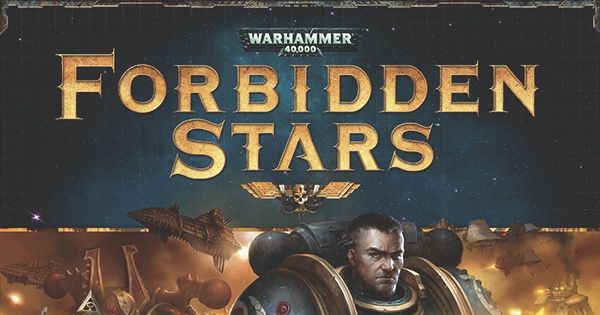
I came to this as someone who genuinely likes the 40K setting, and I want to say up front that the actual gameplay is a lot more abstract than the miniatures and lore would suggest, which some fans of the setting find disappointing and I found refreshing. Four factions, deployment cards driving your actions each round instead of a pure action point system, and objectives that reward controlling specific sectors rather than simply grinding down the other players’ armies. It plays out closer to a tight strategy game with a 40K skin on it than a straightforward battle simulator, and once I recalibrated my expectations around that, it clicked hard.
The card-driven order system is the real engine, you’re committing cards to specific systems that dictate what you can do there, and reading what your opponents are likely to commit becomes as important as your own plan, closer to a bluffing and prediction layer than most conquest games bother with. Aggressive play is rewarded and the figures and faction asymmetry are genuinely well handled, each side plays meaningfully differently rather than reskinning the same mechanics. Games with less experienced players do run long though, and I’d echo the warning I’ve seen elsewhere that this benefits from a group that’s played at least once already, since a lot of the tension depends on players actually understanding what their commitments mean before they make them.
Where I’d push back a little is on comparisons to Starcraft as a board game, which I’ve seen floated more than once, because Forbidden Stars trades a lot of Starcraft’s build-order tension for something weirder and more abstract, closer to competitive card placement wearing a war theme than a direct video game translation. That’s not a knock, I actually prefer it, but go in knowing what you’re getting rather than expecting a 1 to 1 skirmish simulator. For a table that wants sharp, aggressive, faction-asymmetric strategy without the dice-heavy grind of some other conquest games, this earns its spot.